Awaab’s Law and Mould in Rental Homes: What It Means for Landlords and Tenants in Swansea
Understanding Awaab’s Law
In 2025, England introduced Awaab’s Law, a major new measure designed to tackle damp and mould in rental homes after the tragic death of two-year-old Awaab Ishak in 2020, caused by prolonged exposure to mould in his social housing flat.
Under this law, social landlords in England must:
- Investigate damp or mould within 10 working days of a tenant’s report.
- Make the home safe within 5 working days of identifying a hazard.
- Provide written findings to the tenant within 3 working days of inspection.
- Fix emergency hazards within 24 hours.
Currently, this applies to social housing in England, but the principles are expected to influence the private rented sector and housing laws across the UK, including Wales.
What Does Awaab’s Law Mean for Swansea and Wales?
Although Awaab’s Law applies only to England at this stage, landlords and tenants in Swansea and Wales in general should take note. Wales already has strong regulations under the Renting Homes (Wales) Act 2016 and the Fitness for Human Habitation (FFHH) standard, which require that all rented properties are:
“Fit for human habitation – free from damp, mould or fungal growth that could affect health.”
This means Welsh landlords are already legally responsible for keeping their properties free from damp and mould that could impact tenants’ wellbeing.
In practice, that means landlords in Swansea must:
- Repair structural or exterior issues (e.g., roofs, gutters, windows).
- Address any defects that contribute to damp or poor ventilation.
- Investigate and remedy mould promptly when reported by tenants.
Even though Awaab’s Law doesn’t yet directly apply in Wales, it represents a clear shift in national expectations, that landlords act quickly, professionally, and transparently when mould appears.
Advice for Tenants: How to Control Condensation and Prevent Mould
Not all mould is caused by structural damp. Much of what appears as “black mould” in homes is the result of condensation – warm, moist air meeting cold surfaces. Here’s how tenants can help prevent it:
1. Ventilate Every Day
- Open windows for 10–15 minutes each morning to refresh the air.
- Use trickle vents and keep air vents unblocked.
- Always use extractor fans in bathrooms and kitchens while cooking or showering.
2. Control Indoor Moisture
- Dry clothes outdoors when possible.
- If drying indoors, use a drying rack in a well-ventilated room with windows open or a dehumidifier running.
- Keep lids on pans when cooking.
- Avoid overfilling wardrobes or pushing furniture tightly against cold walls as this traps moisture.
3. Maintain a Consistent Temperature
- Use gentle, steady heating as sudden temperature drops cause condensation.
- Even heating of all rooms is more effective than short, intense bursts.
4. Report Problems Early
- If you notice mould, damp smells, or cold walls, report it to your letting agent or landlord immediately – ideally in writing (email is best).
- Early reporting helps identify if it’s a ventilation issue or a structural problem.
Bay Estate & Letting Agents: Here to Help
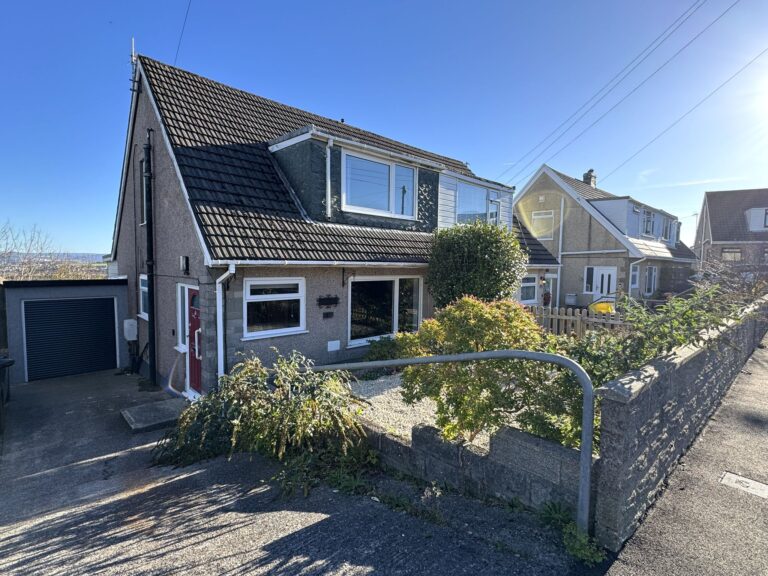
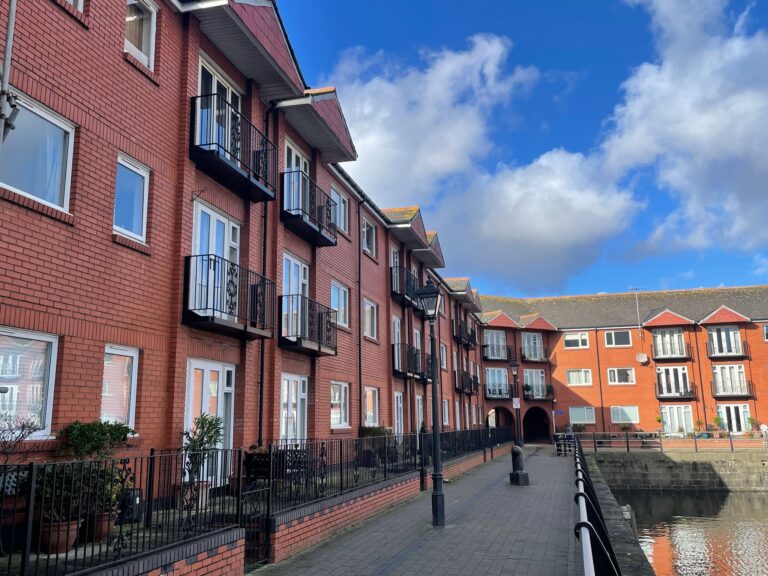
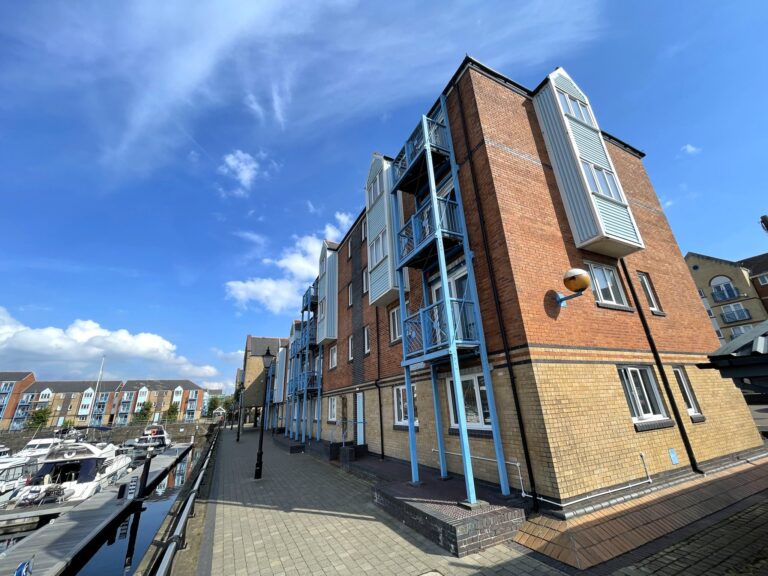
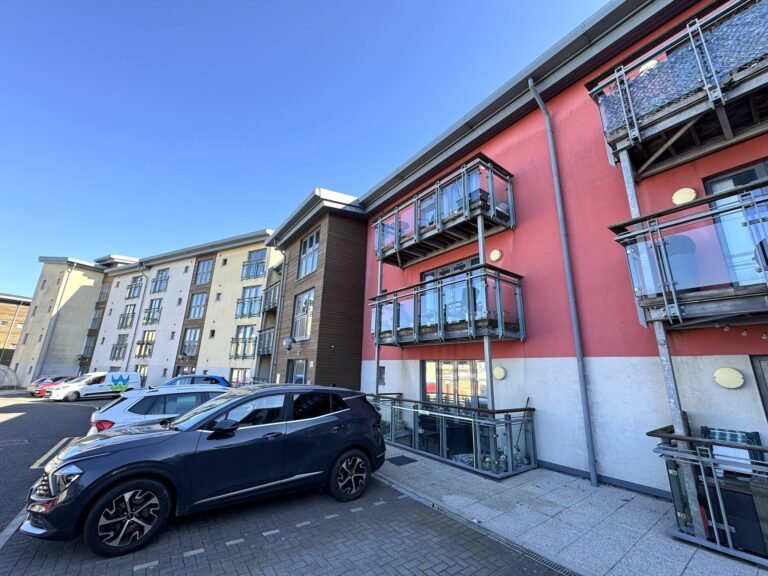
At Bay Estate & Letting Agents Swansea, we take property condition seriously. Whether you’re a landlord needing support with compliance and maintenance, or a tenant concerned about mould or damp in your home, we’re here to help. Also have a look at our property for rent in Swansea.
- ✅ Regular property inspections
- ✅ Fast response to repair requests
- ✅ Guidance for both landlords and tenants on moisture control
- ✅ Compliance with Welsh housing standards